

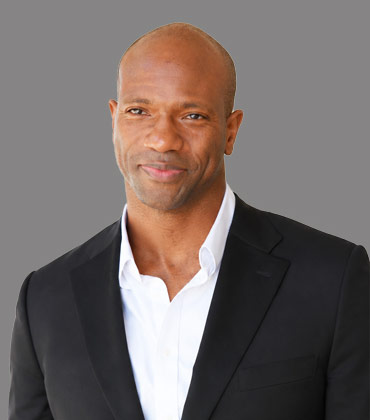
Bamidele Ali
Bamidele Ali focuses on growth, partnerships, investments, and strategic opportunities. As a VP of Corporate Development at Origin Materials, his approach is grounded in understanding what the market actually wants, maintaining financial discipline and building partnerships around shared objectives. Across his career, Ali has learned that sustainable growth depends not only on identifying attractive opportunities but also on understanding risk, allocating resources thoughtfully, and staying responsive to market and consumer changes.
Understanding what the Market Wants
The first thing I have learned is that you always have to make sure you have something that the market actually wants. I am always listening to what the market is telling us—what it needs, how much it needs, where it needs it, and the way it needs to be presented.
It is important not to think about profit from the beginning. You first have to have something that generates demand and can be useful. That is the foundation for a business opportunity.
From a partnership standpoint, I ask whether we can create a win-win for both parties. Having the right language and definitions is really important. Both sides need to have the same beliefs about the product, the market, and how to approach it, and that needs to be established up front. If you do not do that well, relationships can be disastrous.
Communication is equally important. When strategy or approach changes, both companies need to communicate those changes as they happen. I am big on communication and on doing an autopsy of each other’s motivations from the beginning and throughout the process.
Balancing the Present and Future
When assessing investments, I think it starts with understanding your buy box or strike zone. You need to understand your comfort box and try not to deviate from it in the short term.
At the same time, you have to ask whether that comfort box needs to change in the next four or five years. Do the things today that fit your current strike zone and keep you healthy, while making small investments and plans toward the long-term strategic goal.
The key is allocating resources between today and tomorrow. Somebody has to hold that balance between what keeps the company healthy today and what may make it look completely different five years from now. Strategic vision comes from the top, and people have to really buy in on it. If you can get that done well, you can be both disciplined and innovative. They do not have to be mutually exclusive.
Reading the Forces Reshaping Sustainable Materials
In sustainable materials, three primary factors drive the market: policy, global supply chains, and consumer awareness.
Consumer awareness influences what happens in sustainability, along with consumers’ willingness to pay for sustainable products. Policy often shapes that because it tracks with the economics of what gets supplemented and invested. Always listening to what the market is telling us about what it needs, how much it needs, where it needs it, and the way it needs to be presented goes a long way in ensuring success.
Global supply chains can be disrupted, changing the focus either toward or away from sustainability in certain regions. Together, these forces drive the ups and downs of sustainable materials, products, and markets. Wars, trade disputes, policy changes, and economic cycles are also shaping how we make day-to-day purchases.
Making Risk Measurable
At the end of the day, risk comes back to cash flow. What does an opportunity do for our near-term and long-term cash flow? Is it a risk we can take without destroying the business if it goes wrong, or is it a risk where we need to bet everything?
Risk also affects the company’s cash position and structure. Reputation and credibility are also important, especially in sustainability and materials that impact people.
You have to factor all those things into your scorecard. It is not complex; it is about being disciplined and putting a value on the risk-taking you are willing to quantify. The whole organization needs to understand that boundary.
Building the Right Skills
For professionals building a career in corporate development and strategic growth, find something you love, but more importantly, be strategic.
Have a plan for the skill sets you need to develop and those that will further your career. I had a boss a long time ago who said, “Develop a skill wheel.” Put a score on every potential function within the business and score yourself from one to 10.
Look at the areas where you are low—whether supply chain, finance, operations, or product development—and determine what you need to strengthen. Build skills where you are weakest to strengthen your position and understanding of growth and leadership.
Staying Ahead of Change
There are macro and micro trends we all have to pay attention to. AI is one of the biggest. Its proliferation across materials, automotive, consumer, and other sectors creates an opportunity to use it for data analysis.
Being able to look at data and watch the rates of change—not just financials, but how materials and products flow—is critical for staying ahead. Now you can do that faster than ever; if you do not take advantage of it, you are falling behind.
Consumer sensitivities also deserve attention. Consumer focus on sustainability varies by region and economic cycle.
We are in a really interesting time where policy, global events, and consumer behavior are interacting. Paying attention to these macro environmental upheavals, staying in tune with them, and trying to predict where they are going, and how consumers and customers will respond, is essential to staying ahead.
